Brands
Mina, Ichiro and Juntetsu Compared
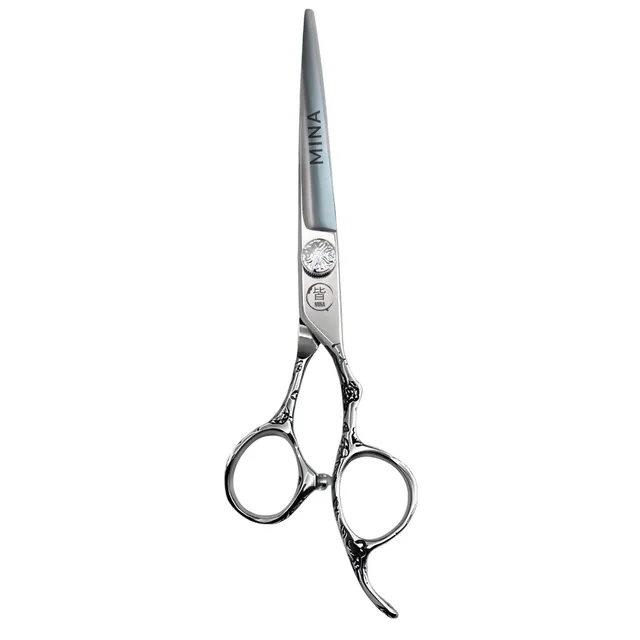
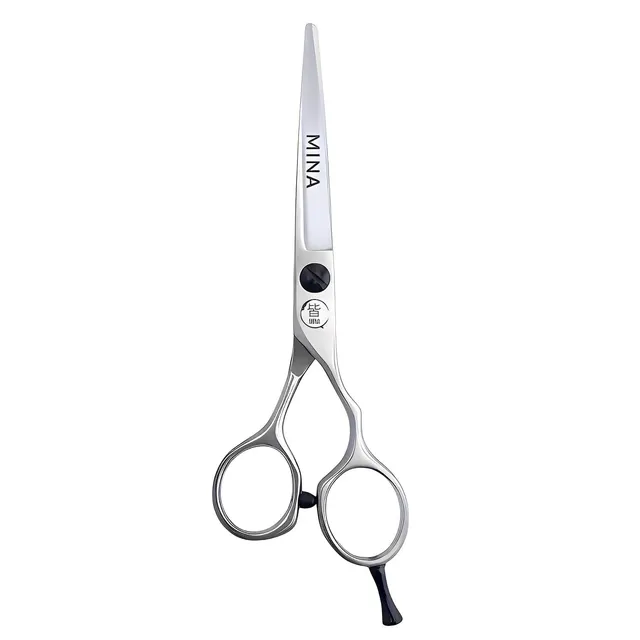
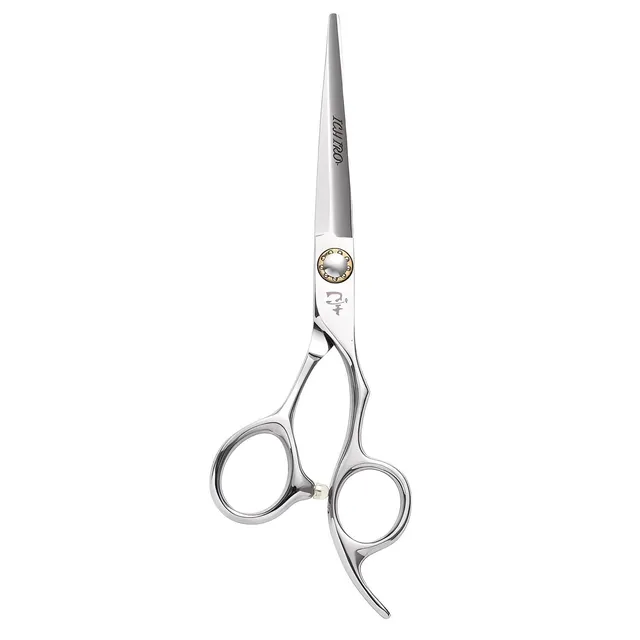
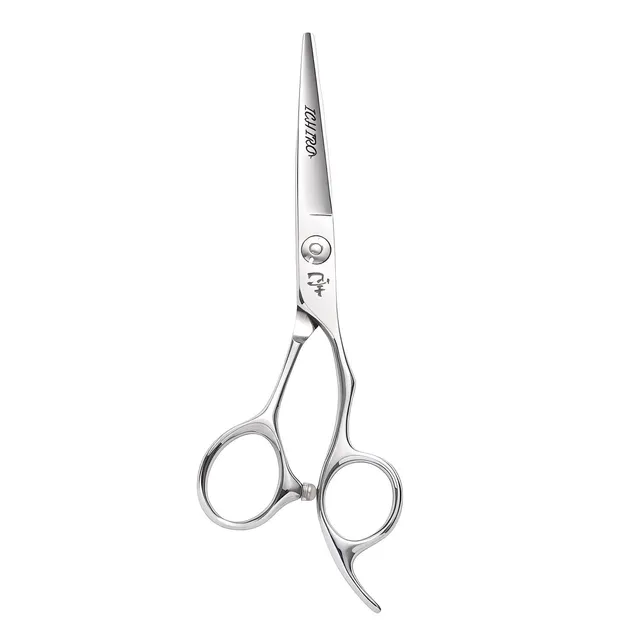
Mina Shears offers quality that works from students and new stylists through to working hairdressers, at an approachable price. Ichiro Shears is the core line for everyday salon work, and Juntetsu Shears is built around higher-end models. All three are independent scissor brands, carried by Scissor Lab and shipped from Japan.
Key points
- Mina sits mainly in the approachable price range, Ichiro in the core range for everyday salon work, and Juntetsu in the higher range.
- Offset handles lead in every brand, while the size range, handle types and left-handed options vary by brand and model.
- It is easier to choose if you decide on size, handle shape, blade edge and budget before comparing brands.
| Brand | Models | Sizes | Price (tax-free) |
|---|---|---|---|
| Mina Shears | 30 | 4.5–7.0″ | from ¥11,364 |
| Ichiro Shears | 67 | 4.5–7.0″ | from ¥19,727 |
| Juntetsu Shears | 55 | 4.5–7.0″ | from ¥26,000 |
Where the three brands sit
Mina Shears, Ichiro Shears and Juntetsu Shears are independent scissor brands. Each offers models made for professional hairdressers, barbers and hairdressing students, centred on Cutting Scissors and Thinning Scissors. The main differences are price range and the breadth of models.
| Brand | Positioning | Main users |
|---|---|---|
| Mina Shears | Quality professionals can use at work, at an approachable price | Hairdressing students and new stylists through to working hairdressers |
| Ichiro Shears | The core line for everyday salon work | Hairdressers and barbers working in salons |
| Juntetsu Shears | A line built around higher-end models | Hairdressers, barbers and owners who are particular about their tools |
The number of models, price range, sizes and handle shapes are shown in the comparison table above, drawn from the same data as the product pages. When models are added or prices change, the table updates automatically.
Mina Shears
Mina Shears is the line built on “quality professionals can use at work, at an approachable price”. Its price range makes it an easy choice for a student’s or new stylist’s first pair, or for a second or spare pair in the salon.
What sets Mina apart
- Convex edge models: models such as Sakura II have a convex edge for both wet and dry cutting.
- Micro-serrated models: models such as Classic II have fine serrations at the edge. This edge makes it easier to keep the ends level when practising blunt cutting.
- Handle choice: mostly offset, with semi-offset, classic and double swivel models too.
- Left-handed: models such as Umi, Jay II and Rainbow II come in right-handed and left-handed versions.
There are also many sets combining Cutting and Thinning Scissors, which suit anyone who wants to choose their first two pairs together. The models are listed on the “Mina Shears” page.
Ichiro Shears
Ichiro Shears is the line designed for everyday salon work. It covers a wide range of models, from Cutting, Thinning and texturising scissors to sets, so it is easy to put together the combination salon work needs within one brand.
What sets Ichiro apart
- Range of sizes: many models come in everything from 5.0 to 7.0 inch, so you can choose for your hand size and the cutting you do.
- Models for students and new stylists: models such as Ergo Apprentice are easy choices for hairdressing students and new stylists.
- Handle choice: mostly offset, with classic models and swivel thumb models whose thumb ring rotates.
- Types of set: as well as 2-piece sets, there are 3-piece sets with two Cutting Scissors of different lengths plus Thinning Scissors, and 4-piece sets that include texturising Thinning Scissors.
- Long models for barbers: models such as Sword Barber come in lengths that work well for short back and sides and scissor over comb.
The models are listed on the “Ichiro Shears” page.
Juntetsu Shears
Juntetsu Shears is a line built around higher-end models. It has a large number of Cutting Scissors models, so even at the same length you can choose by handle, blade finish and design.
What sets Juntetsu apart
- Choice of length: from short 4.5 inch models to long 7.0 inch models.
- Classic models: models such as Classic are Cutting Scissors with a classic (opposing, symmetrical) handle.
- Slide scissors: models such as Cobalt Vertex are made for slide cutting.
- Tooth counts: choose from Thinning Scissors with different tooth counts, such as 10, 16, 21 and around 30 teeth.
- Scissor cases: leather scissor cases from single covers up to cases for eight pairs.
The models are listed on the “Juntetsu Shears” page.
Choosing by what you need
It is easier to choose a brand starting from what you need and your budget.
| What you need | Brands to compare first | Why |
|---|---|---|
| A student’s or new stylist’s first pair | Mina, Ichiro | Approachable price range and models for students |
| A main pair for daily salon use | Ichiro, Juntetsu | Plenty of choice in size and handle |
| A second or spare pair | Mina, Ichiro | Give it a different role from your main pair, on a smaller budget |
| Short back and sides, scissor over comb | Mina, Ichiro, Juntetsu | Long models of 6.5 to 7.0 inch |
| Left-handed | Mina, Ichiro | Many models come in right-handed and left-handed versions |
| One pair from the higher-end models | Juntetsu | Built around higher-end models |
Every brand has sets of Cutting and Thinning Scissors. How to choose a set is covered in “How to Choose a Scissor Set”.
What to decide before the brand
Whether scissors suit your hand matters far more to how easy they are to use every day than the differences between brands. Before comparing brands, decide these four things.
- Size: a length that suits your hand and the cutting you do most (“How to Choose Your Scissor Size”)
- Handle shape: a shape that is easy for you to hold, such as offset or classic (“Scissor Handle Types Explained”)
- Blade edge: convex or micro-serrated (“Scissor Blade Types Explained”)
- Budget: think in terms of two pairs, Cutting and Thinning Scissors
Once these four are decided, you can narrow down the candidates in the comparison table. The order for choosing Cutting Scissors is set out in “How to Choose Cutting Scissors”.
About steel information
Scissor steel is chosen for its balance of hardness, toughness, corrosion resistance and ease of sharpening. We don’t show steel names or grades on the product pages, so if you want to know about a particular model, contact us with the model name. How to read steel is covered in “Understanding Scissor Steel”.
Quality checks and shipping
At Scissor Lab, scissors from all three brands are inspected and quality checked in Saitama before dispatch. If you are unsure whether a size or grip will suit you, ask us before you order. For what applies to your order, see the trade terms or contact us.
Summary
- Mina centres on the approachable price range, Ichiro is the core line for everyday salon work, and Juntetsu is built around higher-end models.
- Sizes, handle shapes and left-handed options differ by brand and model, so check them in the comparison table.
- It is easier to choose if you decide on size, handle shape, blade edge and budget before the brand.
Browse every model in the “catalogue” and filter by brand, size and price range.
The models in this guide
| Model | Sizes | Handle | Edge | Hand | Price (tax-free) |
|---|---|---|---|---|---|
| Mina Sakura II Cutting Scissors | 5.0–7.0″ | Offset | Convex | Right-handed | ¥13,091 |
| Mina Classic II Cutting Scissors | 5.0–6.0″ | Semi-offset | Micro-serrated | Right-handed | ¥11,364 |
| Ichiro Offset Cutting Scissors | 5.0–7.0″ | Offset | Convex | Right-handed | ¥22,909 |
| Ichiro Ergo Apprentice Cutting Scissors | 5.5 / 6.0″ | Offset | – | Right-handed | ¥19,727 |
| Juntetsu Night Cutting Scissors | 5.75 / 6.75″ | Offset | Convex | Right-handed | ¥29,182 |
| Juntetsu Hanami Cutting Scissors | 5.0–6.5″ | Offset | Convex | Right-handed | ¥41,727 |